


 EN
EN
 ES
ES
Best Cenotes for Diving
12 expert-picked cenotes in the Riviera Maya — from beginner to advanced
How We Selected These Cenotes
This is not a list we copied from other websites. Since 2018, The Dive Machine has guided over 1,000 cenote dives across the Riviera Maya. Our team of SSI-certified instructors and cavern guides dives these cenotes every week — in every season, with every skill level.
We evaluated each cenote on five criteria:
- Visibility & water quality — clarity, color, light penetration
- Formations & scenery — stalactites, stalagmites, cavern passages, unique geological features
- Accessibility — entry/exit ease, infrastructure, distance from Playa del Carmen
- Unique features — haloclines, hydrogen sulfide clouds, Hell's Bells, wildlife encounters
- Diver experience — how consistently our guests rate the dive as "life-changing"
The result: 12 cenotes that represent the absolute best scuba diving the Yucatan has to offer — organized by skill level so you can find the perfect cenote for your experience.
Quick Comparison Table
All 12 cenotes at a glance. Tap any name to jump to its full description below.
| # | Cenote | Location | Max Depth | Visibility | Cert. Required | Halocline | Our Rating |
|---|---|---|---|---|---|---|---|
| 1 | Dos Ojos | Tulum | 10m | Excellent | Open Water | Yes | ★★★★★ |
| 2 | El Pit | Tulum | 40m | Excellent | Adv. Open Water | Yes | ★★★★★ |
| 3 | Casa Cenote | Tulum | 8m | Good | Open Water | Yes | ★★★★ |
| 4 | Angelita | Tulum | 60m | Excellent | Deep Specialty | Yes (H₂S cloud) | ★★★★★ |
| 5 | Tajma Ha | Pto. Aventuras | 15m | Excellent | Open Water | Yes | ★★★★★ |
| 6 | Cristalino | Pto. Aventuras | 12m | Excellent | Open Water | No | ★★★★ |
| 7 | Jardin del Eden | Pto. Aventuras | 15m | Excellent | Open Water | Yes | ★★★★★ |
| 8 | Zapote (Hell's Bells) | Pto. Morelos | 40m | Excellent | Adv. Open Water | No | ★★★★★ |
| 9 | Maravilla | Pto. Morelos | 18m | Excellent | Open Water | Yes | ★★★★ |
| 10 | Chac Mool | near Playa | 15m | Excellent | Open Water | Yes | ★★★★ |
| 11 | Dream Gate | near Playa | 8m | Excellent | Open Water | No | ★★★★★ |
| 12 | The Bat Cave | near Playa | 12m | Good | Open Water | No | ★★★ |
Best Cenotes for Beginners
Just got your Open Water certification? These four cenotes offer shallow depths, easy entries, and unforgettable scenery — the perfect introduction to cenote diving.
Dos Ojos Cenote
The most famous cenote in Mexico — and for good reason. Dos Ojos ("Two Eyes") features two connected sinkholes with visibility exceeding 100 meters. The Barbie Line route takes you through jaw-dropping stalactite corridors, while the second eye leads to a cavern with thousands of sleeping bats overhead.
Why we love it: It is the single best introduction to cenote diving on the planet. Shallow, crystal-clear, and packed with geological formations that make experienced divers stop mid-kick to stare. Every diver should start here.
Halocline: Yes — a visible layer where fresh and salt water meet, creating a shimmering optical effect. Read more about the halocline effect.
Full Dos Ojos Guide →
Casa Cenote
Casa Cenote is completely different from every other cenote on this list. It is an open-air cenote connected to the Caribbean Sea through underground channels, surrounded by mangrove roots. This unique mix of fresh and salt water creates a one-of-a-kind ecosystem where you can encounter turtles, barracuda, and occasionally manatees.
Why we love it: The mangrove scenery is surreal — you are diving through tangled root systems with dappled sunlight above. At only 8 meters deep, the entire dive is relaxed and wildlife-focused. It is the only cenote where you might see marine animals.
Halocline: Yes — particularly dramatic here because of the ocean connection.
Full Casa Cenote Guide →
Cristalino Cenote
Named for its crystal-clear turquoise water, Cristalino is a beautiful open-air cenote surrounded by lush jungle. The water here has a distinctive blue-green glow that photographs incredibly well. It sits steps away from Jardin del Eden, making it easy to combine both cenotes in a single day trip.
Why we love it: The turquoise color is genuinely extraordinary — even veteran divers pause at the surface in disbelief. Small cavern zones add a taste of overhead environment without the commitment of a deep cavern dive. Peaceful and uncrowded compared to the Tulum cenotes.
Full Cristalino Guide →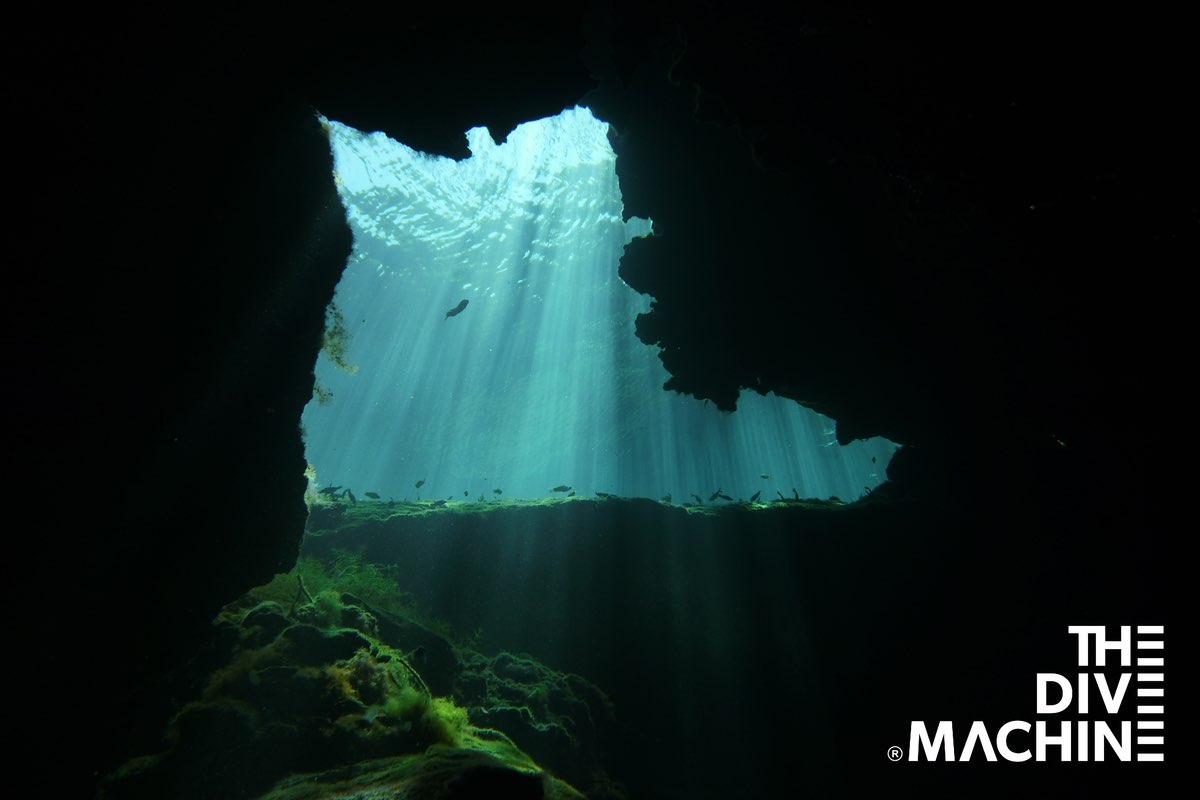
Dream Gate Cenote
Dream Gate is the most decorated cenote in the Riviera Maya. At just 8 meters deep, the cavern zone is absolutely packed with stalactites, stalagmites, columns, and curtain formations — more per square meter than any other cenote we dive. It feels like swimming through an underwater cathedral.
Why we love it: This is the cenote that makes photographers cry tears of joy. The density of formations is unmatched. Because it is shallow, you can spend the entire dive floating through decorated passages without worrying about depth or air. If you only dive one cenote near Playa del Carmen, make it this one.
Halocline: No — pure freshwater throughout.
Best Cenotes for Certified Divers
Comfortable with your buoyancy and ready for more? These cenotes step up the complexity with deeper profiles, longer cavern passages, and stunning geological features that reward experienced divers.
Tajma Ha Cenote
Tajma Ha ("Taj Mahal of water" in Mayan) lives up to its grand name. The cavern zone features spectacular speleothem formations — massive columns, delicate soda straws, and curtains that seem to drape from the ceiling like fabric. The deeper sections offer a taste of what cave diving feels like, all within safe recreational limits.
Why we love it: Tajma Ha is the bridge between beginner cenotes and advanced cenotes. The formations rival El Pit's beauty but at accessible depths. The halocline effect here is particularly dramatic — your dive light appears to bend through the water layers.
Halocline: Yes — one of the best halocline displays in the Riviera Maya.
Full Tajma Ha Guide →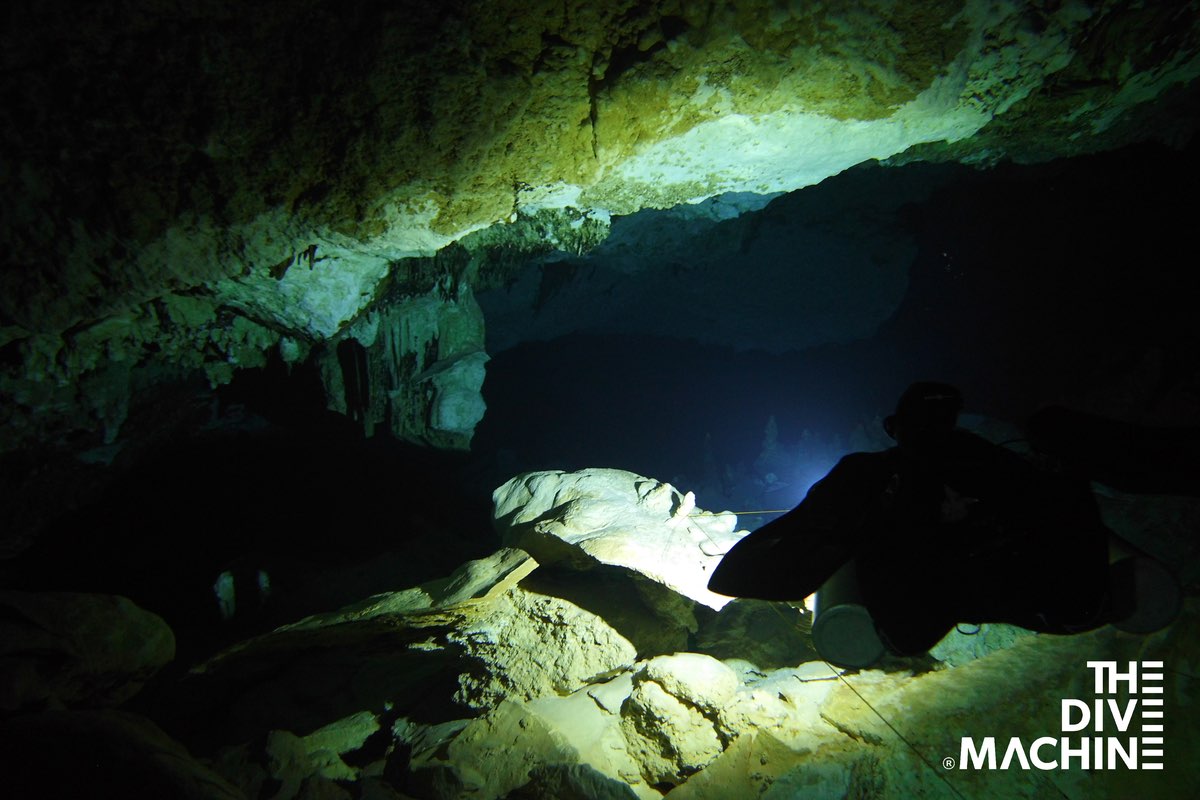
Jardin del Eden Cenote
Garden of Eden is the complete package: crystal-clear turquoise water, abundant fish life, beautiful stalactites, and dramatic light beams piercing through the jungle canopy. The open cenote pool connects to a cavern zone with impressive passages — and the entry is easy with stairs and platforms.
Why we love it: No other cenote combines so many strengths in one site. You get open-water scenery, cavern atmosphere, wildlife encounters, and world-class light. It is also one of the best cenotes for underwater photography thanks to the mix of natural light and formations.
Halocline: Yes — visible at around 14m depth.
Full Jardin del Eden Guide →
Maravilla Cenote
Maravilla ("Marvel") is the Riviera Maya's best-kept secret. Located near Puerto Morelos, far from the tourist crowds that flock to Tulum cenotes, Maravilla offers exceptional visibility, beautiful formations, and an intimate diving experience. You will often be the only group in the water.
Why we love it: In a world of Instagram-famous cenotes, Maravilla delivers the magic without the crowds. The cavern zone has gorgeous flowstone formations and a peaceful atmosphere that lets you truly appreciate the underwater landscape. At 18m, it offers slightly more depth than typical beginner cenotes.
Halocline: Yes — clearly visible around 12m.
Full Maravilla Guide →
Chac Mool Cenote
Chac Mool is one of the closest cenotes to Playa del Carmen, making it a convenient option for divers short on time. Named after the Mayan rain god, this cenote features an impressive cavern with dramatic light effects, a well-defined halocline, and connections to the vast Sac Actun cave system — the longest underwater cave system in the world.
Why we love it: The light beam that enters the main cavern around midday is spectacular — a single shaft of light piercing through the darkness. The halocline effect is strong and clearly visible. Chac Mool also connects to Kukulkan cenote for a through-swim route that feels genuinely adventurous.
Halocline: Yes — one of the strongest halocline displays of any cenote.
Best Cenotes for Advanced Divers
These are the bucket-list cenotes — the ones that experienced divers fly across the world to see. Deep profiles, extraordinary phenomena, and underwater visuals you will not find anywhere else on Earth. Advanced Open Water certification (or higher) is required.
El Pit Cenote
El Pit is the crown jewel of cenote diving in Mexico. Between 11 AM and 1 PM, sunbeams pierce through the oval opening and illuminate the entire water column in an ethereal light show that will stop you in your tracks. Descend past the halocline at 15m, through a hydrogen sulfide cloud at 30m, and into the dark depths below.
Why we love it: Nothing compares to the El Pit light show — it is the single most spectacular visual experience in all of cenote diving. The combination of light rays, a visible halocline, and an H₂S cloud creates three distinct layers to explore in a single dive. This is the dive that makes people become divers for life.
Halocline: Yes — dramatically visible at 15m. Below that, an H₂S cloud at 30m resembles a murky underwater river.
Full El Pit Guide →
Cenote Angelita
Angelita is the most surreal dive site on Earth. At 30 meters, you descend through a thick hydrogen sulfide cloud — a layer so dense it looks exactly like an underwater river, complete with fallen tree trunks "growing" from its surface. Below the cloud, the water turns pitch black. Above it, crystal-clear freshwater and sunlight.
Why we love it: There is nothing else like Angelita anywhere in the world. The moment you sink into the H₂S cloud and lose visibility — then emerge below it into dark, salty water with dead trees — feels like descending to another planet. This dive rewires your understanding of what scuba diving can be.
Halocline: Yes — but here it manifests as a dramatic H₂S (hydrogen sulfide) cloud rather than a subtle shimmer. Read about cenote conservation and why protecting these unique ecosystems matters.
Full Angelita Guide →
Zapote Cenote (Hell's Bells)
Zapote is home to the "Hell's Bells" — unique bell-shaped formations found nowhere else on Earth. These bizarre biogenic structures hang from the ceiling around the 30m mark, created by bacteria at the interface between fresh and salt water. Scientists are still studying how they form. Descending past them into the dark abyss below feels genuinely otherworldly.
Why we love it: If you want to see something that exists in only one place on the entire planet, this is it. The Hell's Bells are one of the greatest geological mysteries of the Yucatan. Combined with excellent visibility, a dramatic depth profile, and the remoteness of Puerto Morelos, Zapote delivers an unforgettable dive.
Halocline: No — but the chemocline where the bells form is equally fascinating.
Full Zapote Guide →
The Bat Cave Cenote
The Bat Cave (part of the Dos Ojos system) is a unique cavern experience where you surface inside a completely dark air dome — home to hundreds of bats. Your flashlight reveals ancient stalactites covered in bat guano, and the sound of wings fluttering in the darkness is unforgettable. It is the most atmospheric cenote on this list.
Why we love it: The Bat Cave is all about the experience. The diving itself is straightforward, but surfacing inside that dark, bat-filled chamber — with your light illuminating ancient formations — is genuinely thrilling. Combined with a night dive setup, it is truly memorable.
What to Expect on a Cenote Dive Day
A typical cenote dive day with The Dive Machine follows this itinerary. Knowing the schedule helps you prepare and get the most out of the experience.
7:00 – 7:30 AM — Pick-up from your hotel in Playa del Carmen. Your guide loads the van with equipment and briefs you on the day's cenotes during the drive.
8:00 – 8:30 AM — Arrive at the first cenote. Pay entrance fees (included in our packages), gear up in the parking area, and walk to the cenote entrance. Your guide delivers a detailed safety briefing — covering buoyancy, guideline awareness, and the specific layout of the cenote.
8:30 – 9:30 AM — First dive (45–60 minutes depending on the cenote and your air consumption). You follow the permanent guideline through the cavern zone with natural light always visible.
9:30 – 10:30 AM — Surface interval. Snacks, water, and time to explore the jungle surroundings. Your guide explains the geology and history of what you just saw. Many cenotes have platforms for sunbathing or swimming during the break.
10:30 – 11:30 AM — Drive to the second cenote (typically 10–30 minutes away). Gear up and second dive briefing.
11:30 AM – 12:30 PM — Second dive. Often the highlight of the day — your guide saves the best for last.
12:30 – 1:30 PM — De-gear, rinse equipment, and drive back to Playa del Carmen. You are typically back at your hotel by 1:30 PM with the entire afternoon free.
What is included: All equipment (BCD, regulator, wetsuit, mask, fins, lights), certified SSI cavern guide, cenote entrance fees, hotel transportation, snacks, and water. See our cenote diving packages for full details and pricing.
Cenote Diving Safety & Requirements
Cenote diving is safe when done properly. Here is what you need to know before your first cenote dive.
Certification Requirements
- Open Water (SSI or PADI) — required for most cenotes (Dos Ojos, Casa Cenote, Cristalino, Tajma Ha, Jardin del Eden, Maravilla, Chac Mool, Dream Gate, Bat Cave)
- Advanced Open Water — required for El Pit (40m) and Zapote (40m)
- Deep Diving Specialty — required for Angelita (60m)
Don't have a certification yet? Check our Open Water course in Playa del Carmen — you can be certified in 3 days and diving cenotes on day 4.
Safety Rules for All Cenote Dives
- Never touch the formations — stalactites took thousands of years to grow. A single touch can damage them irreversibly.
- Buoyancy control is essential — silty bottoms and fragile ceilings require precise buoyancy. Practice before you go.
- Always follow the guideline — permanent guidelines mark the safe cavern route. Never leave the line or swim into unmarked passages.
- Natural light must always be visible — recreational cenote dives stay in the cavern zone where you can see daylight. Going beyond requires technical cave diving certification.
- No sunscreen — chemical sunscreens contaminate cenote water. Wear a rash guard or wetsuit instead.
- Respect the ecosystem — cenotes are part of the world's largest underground aquifer. Learn about cenote conservation.
Read our complete cenote diving requirements guide for detailed preparation tips, what to bring, and health considerations.
Related Guides
Deepen your cenote knowledge with these in-depth articles from our dive team.
The Halocline Effect
What causes that shimmering layer between fresh and salt water — and which cenotes have the best haloclines.
Cenote Ecosystems
The unique flora and fauna that thrive in cenotes — from blind cave fish to ancient bacterial mats.
Night Diving in Cenotes
What happens when you turn off the lights underground? A completely different cenote experience after dark.
Cenote Conservation
Why cenotes are under threat and what divers can do to protect the Yucatan's underground river system.
Explore all our cenote resources: Diving in Cenotes hub · Top 10 Cenotes · Equipment Guide · Best Time to Dive
Frequently Asked Questions
Yes. You need at minimum an Open Water certification (SSI or PADI) for most cenotes. Some cenotes like El Pit and Zapote require Advanced Open Water due to their depth (40m), and Angelita requires a Deep Diving specialty because it reaches 60m. All cenote dives are guided by a certified cavern guide who manages your safety throughout the dive.
Dos Ojos is the best cenote for first-time cenote divers. It has shallow depths (10m max), incredible visibility over 100 meters, easy access, and stunning stalactite formations. Casa Cenote and Cristalino are also excellent beginner-friendly options with shallow profiles and gentle conditions.
Cenotes can be dived year-round since they maintain a constant temperature of 24-25 degrees Celsius. However, the dry season (November to April) offers the best conditions with clearer water and stronger light beams through the openings. Rainy season (May to October) can slightly reduce visibility in open-air cenotes but cavern cenotes are largely unaffected. See our best time to dive cenotes guide for month-by-month details.
Guided cenote cavern diving with a certified guide is very safe. All recreational cenote dives stay within the cavern zone — meaning natural light from the entrance is always visible. You follow a permanent guideline and stay within safe depth limits. The Dive Machine's guides have logged over 1,000 cenote dives with a perfect safety record. The key is to never attempt cave diving (beyond the cavern zone) without proper cave diving certification.
Typically you dive 2 cenotes per day (one dive at each cenote) for a total of 2 dives. Some advanced packages offer 3 dives at 2 cenotes. We do not recommend more than 3 dives per day to manage nitrogen loading and fatigue, especially at deeper cenotes like El Pit or Angelita. Check our cenote diving packages for multi-day options that let you explore more cenotes.

The Dive Machine
SSI Instructor Training Center in Playa del Carmen, Mexico. Over 3,800 five-star reviews. Our team of 10+ certified SSI instructors specializes in cenote, reef, and bull shark diving since 2018. SSI certifications are internationally recognized — equivalent to PADI worldwide.